 how-to
7 Things to Expect During the California Driving Test
Last Updated: November 4, 2026
Quick Summary
During the california driving test, a DMV examiner rides beside you, gives directions, and scores how safely you handle the car on a route that mixes residential streets, intersections, and a stretch of faster traffic. You check in, complete a pre-drive safety check, drive the route, park, and then receive your score and feedback.
- Bring your permit, insurance proof, registration, and a licensed adult driver to the appointment.
- The examiner may give two or more directions at once to test instruction-following while driving.
- An examiner grabbing the wheel or braking for you is an automatic fail.
- You must demonstrate signals, lights, wipers, horn, parking brake, and hand signals before driving.
- A cracked windshield or check engine light can stop the test before it starts.
Table of Contents
- What to Expect During the California Driving Test: A Step-by-Step Walkthrough
- The California Behind-the-Wheel Test Checklist: What to Bring and How to Prepare
- Booking Your DMV Driving Test Appointment Without the Stress
- Automatic Fails on the California Driving Test: What Ends Your Test Early
- The Pre-Drive Safety Checklist the Examiner Will Ask You to Perform
- Behind-the-Wheel Maneuvers You'll Be Asked to Demonstrate
- How Your Driving Test Is Scored and What Happens After
- Book Affordable Driving Lessons in Orange County
- Frequently Asked Questions
What to Expect During the California Driving Test: A Step-by-Step Walkthrough
Knowing what to expect during the California driving test starts with one fact: the exam is a scored drive, not a performance. A DMV examiner rides beside you, gives directions, and marks how safely you handle the car. The route usually mixes residential streets, intersections, and a stretch of faster traffic.
Here is the short version of the day:
- Check in at the DMV office and show your documents.
- Complete the pre-drive safety check with the examiner.
- Drive the route while following directions.
- Return to the lot and park.
- Receive your score and feedback.
The California DMV driving test criteria confirm examiners may give two or more directions at once. That is deliberate. They want to see whether you can follow instructions while driving. This guide from City Freeway Driving School walks through each stage so nothing on test day feels like a surprise.
Here is the short version of the test day, from check-in to your score.
| Step | What happens |
|---|---|
| 1 | Check in at the DMV office and show your documents |
| 2 | Complete the pre-drive safety check with the examiner |
| 3 | Drive the route while following directions |
| 4 | Return to the lot and park |
| 5 | Receive your score and feedback |
The California Behind-the-Wheel Test Checklist: What to Bring and How to Prepare
The California behind-the-wheel test checklist starts with paperwork. Missing documents can cancel your appointment before the car moves.
Bring these items:
- Your instruction permit
- Proof of insurance for the test vehicle
- Current vehicle registration
- A licensed adult driver to accompany you
The car itself must pass a basic inspection. Brakes, lights, horn, mirrors, and seat belts all need to work. A cracked windshield or a burned-out brake light can stop the test cold.
Watch out: students often arrive with a borrowed car that fails inspection. Check every light and signal the night before.
A warmup helps too. Use this best road test warmup checklist to calm nerves, check your vehicle, and practice the skills that matter before your appointment.
Booking Your DMV Driving Test Appointment Without the Stress
Booking a DMV driving test appointment early is the simplest way to reduce test-day stress. Appointments fill up, especially near popular offices, so schedule as soon as your permit allows. Appointment availability changes over time, so check the DMV's current booking options as soon as your permit is eligible.
A few habits make the process smoother:
- Book online the day your permit becomes eligible, and check back for cancellations
- Arrive early with documents in hand
- Drive the area around the test office beforehand so you recognize the intersections the examiner may use
- Practice deep breathing while you wait
What the Test Day Timeline Actually Looks Like
The test day involves more than the drive itself, from check-in through receiving your result. A typical flow:
- Check-in: Present your permit, proof of insurance, and registration. The clerk verifies your appointment and directs you to the waiting area or the test lane.
- Vehicle inspection: The examiner walks to your car, checks the license plate and registration sticker, and asks you to demonstrate controls before you sit down.
- The drive: You follow directions through residential streets, intersections, and a short stretch of faster traffic.
- Return and park: You pull back into the lot and park as directed.
- Score and feedback: The examiner totals the score sheet, tells you the result, and walks you through the marks.
Nerves are normal. The examiner expects them. What matters is that you drive predictably and follow the rules. If anxiety is your biggest hurdle, this guide on how to overcome driving test anxiety breaks down step-by-step strategies for the wait and the drive itself.
Watch out: candidates who arrive without the required documents, or with a registration that does not match the test vehicle, can be turned away before the drive begins.
Automatic Fails on the California Driving Test: What Ends Your Test Early
An automatic fail on the California driving test happens when the examiner has to act to prevent a crash or when you break a serious rule. One critical driving error can end the test on the spot.
Common automatic fails include:
- The examiner grabbing the wheel or braking for you
- Running a red light or stop sign
- Failing to yield the right-of-way to pedestrians
- Driving in the wrong lane or against traffic
- Hitting a curb while parking or turning
Smaller mistakes cost points, not the whole test. A wide turn or a late signal adds up but does not end the drive. The line between the two is safety. If your action forces someone else to react, expect a fail. For a deeper breakdown of critical errors, read how to pass the California driving test.
The Pre-Drive Safety Checklist the Examiner Will Ask You to Perform
The pre-drive checklist is a short vehicle inspection before you drive. The examiner names a feature, and you show it works. The examiner typically stands outside the front of the car and asks you to point to or activate each item in turn, you do not need to recite anything from memory, but you do need to find every control without hunting.
Expect to demonstrate:
- Turn signals and hazard lights
- Headlights, including high beams
- Windshield wipers and the defroster
- The horn
- The parking brake
- Hand signals for left turn, right turn, and stop
You may also be asked to show the seat belt works and adjust your mirrors. Know where every control sits in your test car. Fumbling for the defroster looks unprepared. Practice the full sequence in the same car you will use on test day.
Vehicle Conditions That Can End the Test Before It Starts
This is the part most guides bury, and it is where borrowed cars get candidates into trouble. The examiner will not start the drive if the vehicle fails a basic safety inspection. Common disqualifiers include:
- A cracked or chipped windshield in the driver's line of sight
- A burned-out brake light, turn signal, or headlight
- A horn that does not sound
- Worn tires or a tire pressure warning light that stays on
- A check engine light that is illuminated
- Seat belts that do not latch or retract
- A parking brake that does not hold the car
- Doors that do not open from the inside
Watch out: a check engine light or a cracked windshield can prevent the test from starting, so check every light, the horn, and the glass the night before.
Using a Borrowed or Rented Car
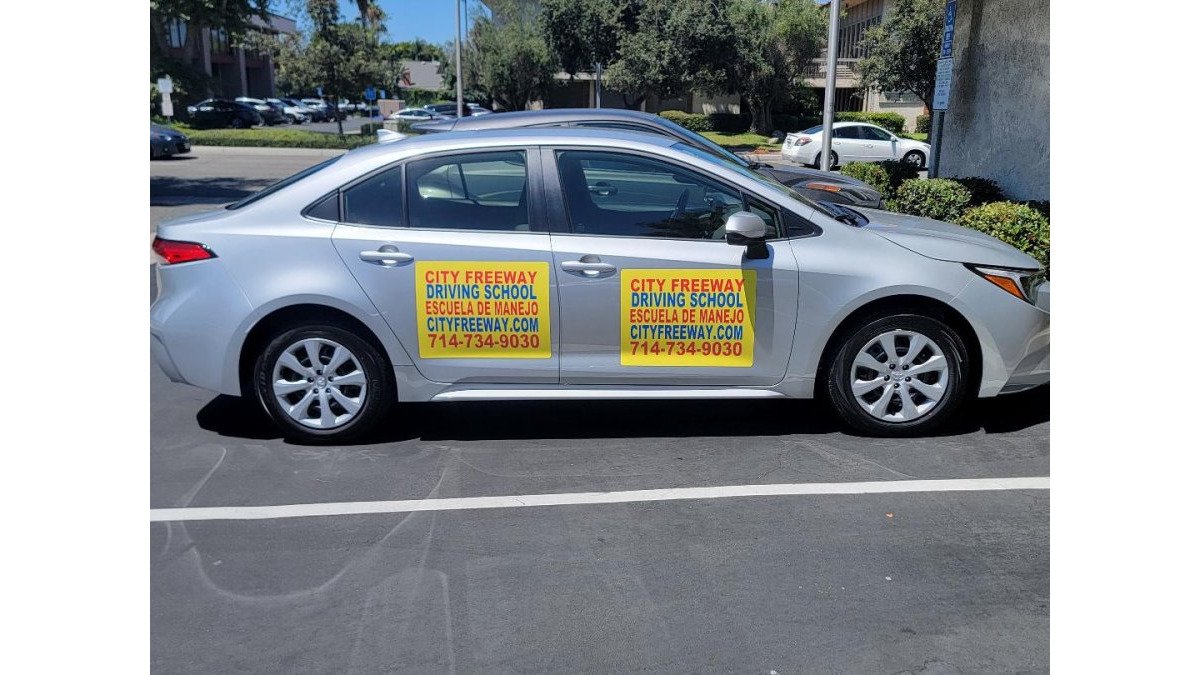
Many candidates test in a family car, a friend's car, or a rental, and the paperwork is where that plan falls apart. The vehicle must be registered and insured in a way the office will accept, and you must be able to show proof of insurance for that specific vehicle, a policy that lists a different car is not enough. If you borrow a car, confirm with the owner that the registration is current and the insurance card is in the glove box before you leave. Rental agreements sometimes restrict use for licensing exams, so confirm that before booking. If sorting out a suitable vehicle feels like a hassle, ask about our Driving Test Car Rental service.
A warmup helps too. Use this best road test warmup checklist to calm nerves, check your vehicle, and practice the skills that matter before your appointment.
Behind-the-Wheel Maneuvers You'll Be Asked to Demonstrate
The driving portion tests everyday skills, not stunt driving. Most routes include a lane change, a controlled stop, intersection navigation, and residential driving.
Examiners watch for:
- Smooth acceleration and braking
- Speed limit compliance
- Blind spot checks before lane changes
- Proper use of turn signals
- Right-of-way at intersections
- Pedestrian safety near crosswalks
You may also park and back up. Defensive driving matters more than perfect technique. The examiner wants to see that you scan ahead, check mirrors, and react calmly. A smooth, boring drive is a passing drive.
How Your Driving Test Is Scored and What Happens After
Your drive is scored on a standard sheet, and the examiner totals your errors at the end. Too many marks, or any critical error, means a fail.
After the drive, the examiner gives you feedback on what went wrong. Listen closely. That feedback is the best study guide for a retest. If you pass, you head inside to finish the licensing process.
If you fail, you can usually retest after a short wait. Use the time to practice the exact skills the examiner flagged. Most students who fail do so on one or two repeat mistakes, not on everything.
Book Affordable Driving Lessons in Orange County
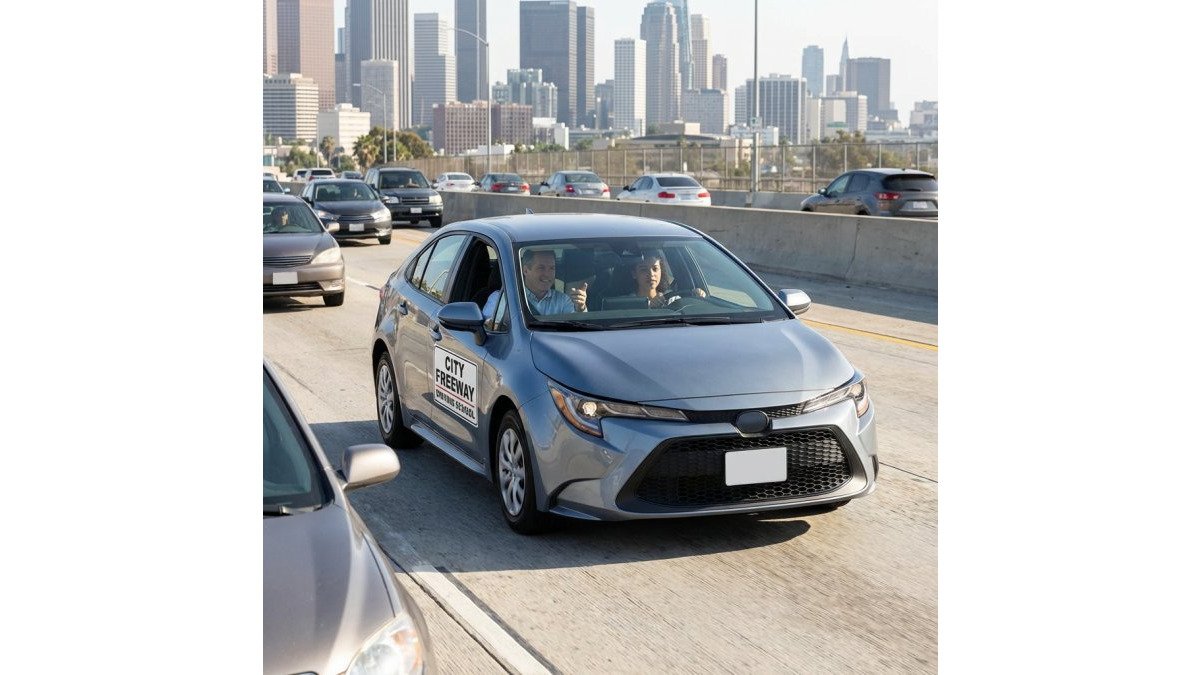
Passing the test gets easier with practice behind the wheel, and City Freeway Driving School offers affordable lessons. The school serves Irvine, Orange, Santa Ana, Tustin, Costa Mesa, Anaheim, and many more cities across Orange County, CA. Scheduling is flexible seven days a week, including evenings and weekends.
Driving Lessons in Orange County for Teens and Adults. We are City Freeway Driving School in Tustin, Serving most cities in Orange County, CA. We offer Driver Ed online for $30.00, Drivers Training 6 hours from $440.00 and the package of Driver Ed online and 6 hours of behind the wheel training from $450.00. Driving Test Service $230.00. Usually we have appointments available, the same week you enroll in our courses. Any questions about our services, please call our office number 714-734-9030 or visit our website https://cityfreewaydrivingschool.com/
Ready to start? Explore behind-the-wheel training in Orange County, CA built around traffic, freeways, parking, and DMV test routes. Certified instructors prepare students for the real examiner experience. Reach out through the contact page to ask about availability.
Frequently Asked Questions
What does the California driving test consist of?
The California driving test has two main parts. First, a pre-drive safety check where you demonstrate vehicle controls like turn signals, headlights, and the parking brake. Then you drive in traffic while the examiner scores your lane changes, stops, turns, and speed control against DMV safety criteria. The whole test usually takes about 20 to 30 minutes, and you must pass both parts to receive your license.
What are automatic fails on a California driving test?
Automatic fails are critical driving errors that end the test immediately. Common examples include the examiner having to take control of the wheel or brakes, running a red light or stop sign, driving in a lane meant for oncoming traffic, or ignoring a pedestrian in a crosswalk. You can also fail for unsafe speed or failing to yield right-of-way. Practicing defensive driving and traffic laws with a certified instructor helps you avoid these mistakes.
Do I need to bring my own car for the DMV driving test appointment?
Yes, you must bring a vehicle that passes the DMV's safety inspection. It needs valid registration, proof of insurance, working turn signals, brake lights, horn, mirrors, and seat belts. If you don't own a car, some driving schools offer a driving test car rental service. Ask about City Freeway Driving School's Driving Test Car Rental service if you need a vehicle for your test.
How long does the California behind-the-wheel test take?
The behind-the-wheel portion depends on traffic and the route. Plan for extra time at the DMV for check-in, document review, and the pre-drive checklist. Booking a DMV driving test appointment in advance and arriving early helps you avoid long waits.
The California driving test rewards preparation, not luck. City Freeway Driving School offers DMV-compliant training, flexible seven-day scheduling, and pricing that fits a student budget. Get started with City Freeway Driving School and walk into your appointment knowing exactly what to expect.