 how-to
Teen Driving Lessons with Evening Availability: A 2026 Guide
Table of Contents
- Why Teen Driving Lessons with Evening Availability Matter
- Teen Driving Lessons After School: Fitting Training Into Your Schedule
- How Many Behind-the-Wheel Lessons Does a Teen Need
- Teen Driving Lesson Checklist: What to Prepare
- What to Expect During Evening Behind-the-Wheel Training
- How to Find and Book Evening Driving Lessons
- Service Areas and Flexible Scheduling in Your Region
- Preparing for Your DMV Road Test After Evening Lessons
- Frequently Asked Questions
Last Updated: October 13, 2026
Why Teen Driving Lessons with Evening Availability Matter
Getting behind the wheel is a major milestone, but finding time for teen driving lessons with evening availability feels impossible when school, sports, and activities fill the calendar. Flexible scheduling has become essential for modern driver education.
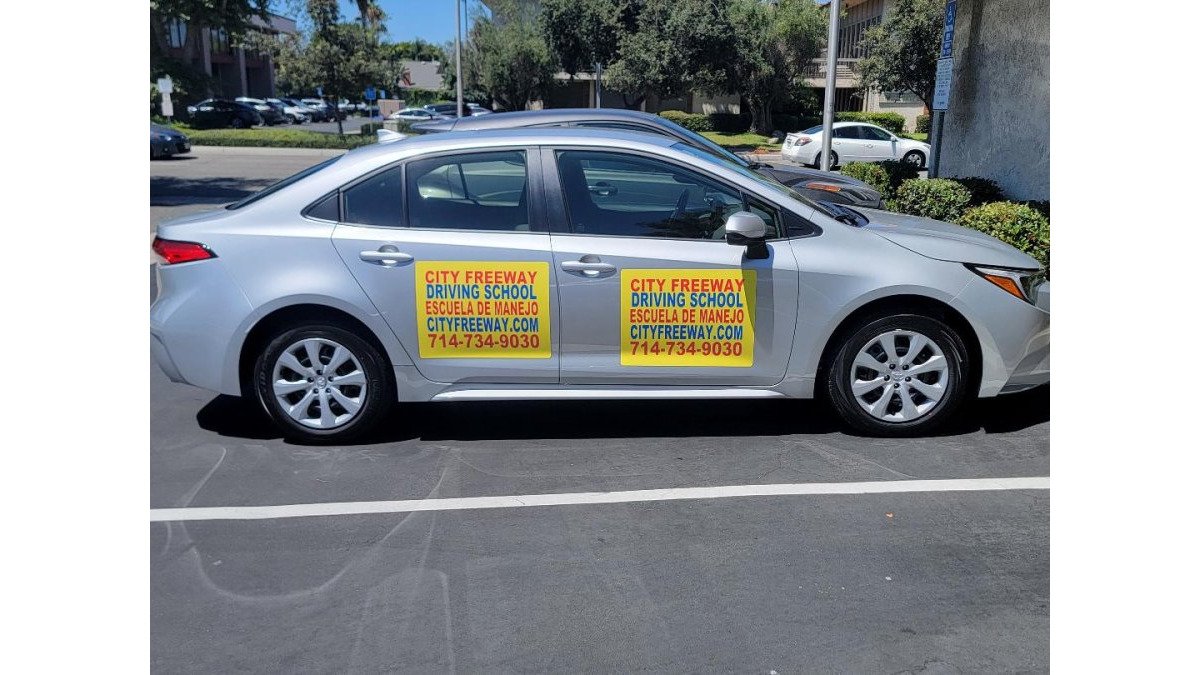
Evening and weekend availability is often the only realistic option for busy students. City Freeway Driving School offers comprehensive behind-the-wheel training with flexible scheduling throughout Orange County, serving Irvine, Orange, Santa Ana, Tustin, Costa Mesa, Anaheim, and many more cities, seven days a week.
Evening lessons also build real-world skills: teens who take teen driving lessons with evening availability gain experience in lower-light conditions, and lighter traffic lets instructors focus on foundational skills before busier roads.
Teen Driving Lessons After School: Fitting Training Into Your Schedule
The biggest barrier to a license isn't ability, it's time. Most teens finish school around 3 or 4 PM, then head to sports, work, or other commitments. That's where teen driving lessons after school become a game-changer.
The solution is training when teens are actually available. Evening lessons let students finish their day, handle other responsibilities, then focus fully on driving, with instructors who aren't rushing between students.
Balancing School, Sports, and Driving Instruction
Teens juggle academic pressure, athletics, and social obligations. Adding driver education requires a schedule that works with reality, not against it.
City Freeway Driving School's flexible seven-day-a-week schedule means teens can book lessons around their actual commitments, whether that's soccer practice Tuesday or band rehearsal Thursday.
Spacing lessons out also helps: a student can take a lesson one evening, practice with a parent the following weekend, and return for the next lesson without disrupting their weekday schedule.
Evening and Weekend Scheduling Options
Real flexibility means appointments available multiple days per week, not just one or two limited slots.
City Freeway Driving School operates throughout the week and on weekends, giving students genuine choice, since a student might be free Monday evening one week and Wednesday the next.
Weekend lessons are equally valuable for students whose weekday evenings fill up, offering varied traffic conditions and skill-building without the pressure of a school day beforehand.
How Many Behind-the-Wheel Lessons Does a Teen Need
How much training is actually necessary? It depends on the student's starting point, learning pace, and confidence level.
Understanding Minimum Hour Requirements
Behind-the-wheel training isn't one-size-fits-all. Some teens pick up skills quickly; others need more practice to build confidence and muscle memory. The key is enough instruction to move from basic vehicle control to road-ready skills.
Most comprehensive programs include multiple hour packages.
The goal isn't a magic number of hours, it's reaching the point where a student handles real-world driving safely and confidently, which happens at different paces.
Progressing From Beginner to Road-Test Ready
Early lessons focus on vehicle control: steering, acceleration, braking, and basic maneuvers in low-traffic environments, building comfort before introducing complexity.
Once basic control is solid, lessons expand to busier roads, intersection turns, merging, and highway driving, teaching students to read traffic, anticipate other drivers, and decide under pressure.
By road-test time, students should be comfortable with parallel parking, three-point turns, lane changes, merging, and smooth acceleration and braking, which typically takes consistent practice over several weeks.
Teen Driving Lesson Checklist: What to Prepare
Walking into a lesson unprepared wastes time and creates stress. Knowing what to bring and how to prepare makes the experience more productive.
Documents and Items to Bring
The learner's permit is non-negotiable, without it, the student can't legally drive, and the instructor will verify it's current before starting.
Comfortable clothing and shoes are essential: tight jeans, flip-flops, or bulky coats interfere with smooth pedal and steering movements.
A water bottle or light snack helps maintain focus, since dehydration or low blood sugar makes concentration harder.
A notebook for instructor feedback creates a record of what to practice before the next lesson.
Mental and Physical Preparation
Arriving calm and focused matters more than most students realize. A few minutes of deep breathing, a short walk, or music before the lesson can settle nerves and improve the experience.
Being honest about how you feel helps too. If a student is tired, stressed, or anxious, mentioning it lets the instructor adjust and focus on basics rather than pushing ahead.
Get enough sleep the night before. Driving requires alertness and quick reactions, and an exhausted student will struggle with focus and response time.
What to Expect During Evening Behind-the-Wheel Training
Evening lessons differ from daytime ones. Knowing what to expect helps students prepare mentally and get the most from the experience.
Safety Considerations for Evening Driving Practice
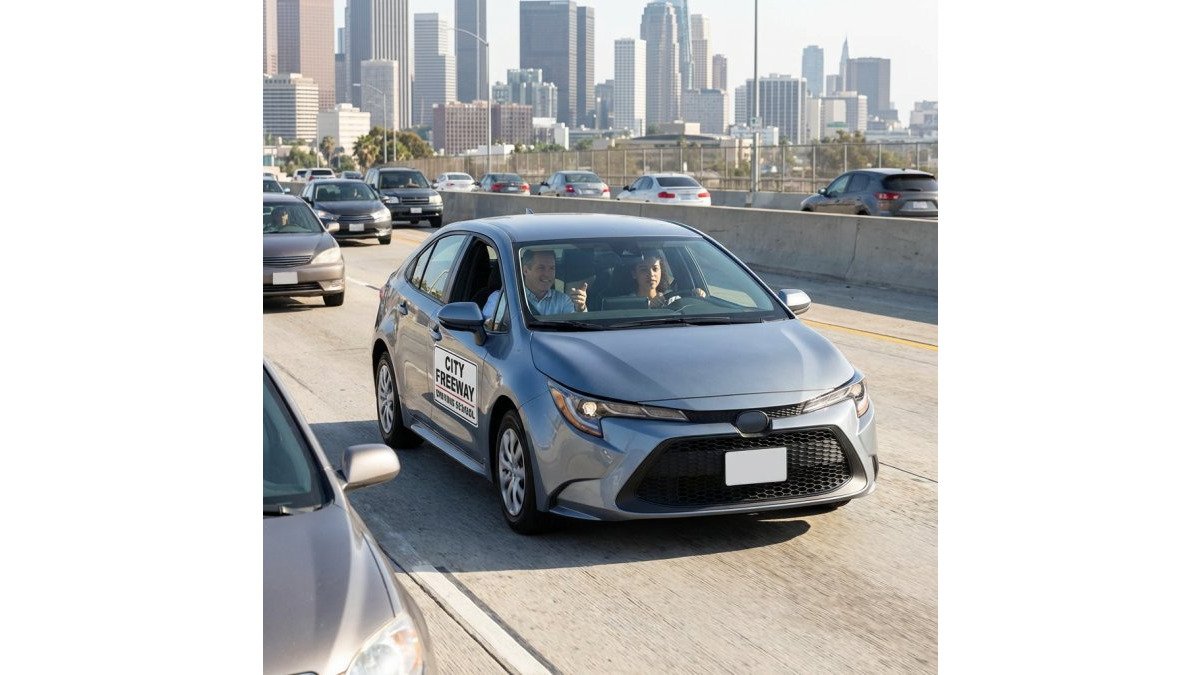
Evening driving differs from daytime: visibility decreases, pedestrians are easier to miss, headlight glare can disorient new drivers, and fatigue increases as the evening progresses.
A good evening lesson acknowledges these realities, focusing on smooth acceleration and braking with less visual reference, reading road markings in lower light, and using headlights effectively.
Instructors also teach defensive driving that matters more at night: greater following distance, caution at intersections, and alertness to pedestrians and cyclists.
Building Confidence in Low-Light Conditions
Many new drivers feel anxious in the evening, and it's a legitimate concern. The key is building confidence through gradual exposure and solid instruction.
Early evening lessons might start in familiar, well-lit areas with lighter traffic. As the student gains comfort, the instructor introduces more challenging conditions: busier roads, darker stretches, and more complex intersections. This progression builds confidence without overwhelming the student.
By the time a student has completed several evening lessons, the initial anxiety usually fades. They've proven to themselves that they can handle reduced visibility, and they've learned specific techniques for staying safe. This confidence carries over to independent driving, the student is less likely to avoid evening driving out of fear.
How to Find and Book Evening Driving Lessons
Choosing a driving school and booking lessons requires knowing what to look for and what questions to ask. Not all driving schools offer genuine evening availability, and not all instructors are equally skilled at working with anxious or inexperienced students.
Questions to Ask Before Booking
Before committing to a driving school, ask specific questions about their evening availability. "Do you have evening lessons?" is too vague. Better questions include: How many days per week do you offer evening lessons? What time range do evening lessons cover?
Ask about instructor experience and personality fit. Do they work with nervous students? What's their teaching style, strict and corrective, or encouraging and patient? Can you request a specific instructor, or are you assigned randomly?
Clarify what's included in lesson packages. Does the price cover the instructor, the vehicle, insurance, and gas? Are there additional fees for cancellations or rescheduling? What happens if you need to pause lessons for a month or two, do you lose your package, or can you resume later?
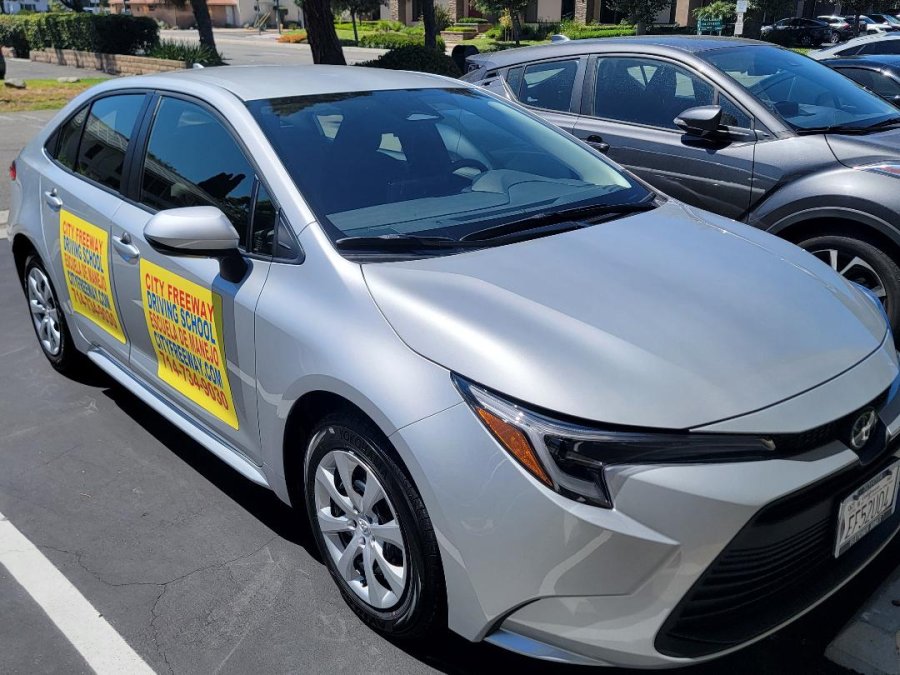
Ask about the vehicle itself. What type of car will you be driving? Is it an automatic or manual? Will you drive the same car for multiple lessons, or does it vary? Consistency in the vehicle helps students build muscle memory and confidence.
Confirming Availability and Instructor Fit
Once you've narrowed down your choices, confirm actual availability before booking. Call or visit in person if possible. Ask to speak with someone who can confirm that evening slots are genuinely available in the timeframe you need, not just theoretically offered.
If possible, meet or speak with the instructor before your first lesson. A brief conversation can reveal whether their teaching style matches what you're looking for. Some students thrive with a direct, no-nonsense instructor. Others do better with someone more encouraging and supportive. There's no universally "best" style, it's about what works for you.
Pay attention to how the school handles your questions. Do they answer thoroughly, or do they seem dismissive? Are they genuinely interested in understanding your needs, or just trying to close a sale? A school that treats you well during the booking process usually treats students well during lessons too.
Service Areas and Flexible Scheduling in Your Region
City Freeway Driving School operates throughout Orange County, bringing professional instruction to students wherever they are. The school serves Irvine, Orange, Santa Ana, Tustin, Costa Mesa, Anaheim, and many more cities across the county. With a seven-day-a-week schedule, the school accommodates students' actual availability rather than forcing them into limited time slots.
This geographic reach combined with flexible hours means students don't have to travel far or wait weeks for an appointment. The school typically has openings the same week you enroll in courses.
For students balancing school, work, and other commitments, this combination of local service and true scheduling flexibility removes major barriers to getting started. Whether you're in a coastal city, inland area, or anywhere in between, there's a convenient option for teen driving lessons with evening availability.
Preparing for Your DMV Road Test After Evening Lessons
The ultimate goal of driving lessons is passing the DMV road test and earning your license. Evening lessons prepare you just as effectively as daytime ones, sometimes more effectively, because they build confidence in challenging conditions.
As your road test approaches, work with your instructor to focus on the specific maneuvers the examiner will evaluate. These include parking (parallel, perpendicular, and angle), three-point turns, lane changes, merging onto highways, and smooth acceleration and braking at various speeds.
Arrive at your road test well-rested and calm. You've practiced these skills repeatedly, trust your training. The examiner isn't trying to trick you or make you fail. They're assessing whether you can operate a vehicle safely and legally.
Preparing your teen for independent driving is one of the most important things you can do as a parent. Evening and weekend driving lessons make that preparation realistic and achievable, even with a packed schedule.
Driving Lessons in Orange County for Teens and Adults. We are City Freeway Driving School in Tustin, Serving most cities in Orange County, CA.
Frequently Asked Questions
Can teens take driving lessons in the evening?
Yes, evening teen driving lessons are available and increasingly popular for students balancing school and activities. Evening lessons allow teens to practice after classes end and can help build confidence in low-light driving conditions. Many driving schools, including those serving the region, offer flexible evening scheduling seven days a week to accommodate teen schedules.
How many behind-the-wheel lessons does a teen need?
Most teens benefit from 6 to 16 hours of professional behind-the-wheel training, depending on their starting skill level and confidence. Beginners typically need more hours to master basic vehicle control, while teens with some prior experience may need fewer. A certified instructor can assess your teen's progress and recommend the appropriate package to prepare for the DMV road test.
What should a teen bring to a behind-the-wheel lesson?
Your teen should bring their learner permit, a valid photo ID, and any required documentation requested by the driving school. Wear comfortable, closed-toe shoes suitable for operating pedals. Avoid loose clothing or distractions. Having water and a light snack beforehand helps maintain focus during the lesson.
How do I know if an evening driving lesson is right for my teen?
Evening lessons work well for teens who are busy during the day with school or sports, prefer learning when they're less mentally fatigued, or want to practice in lower-traffic conditions before advancing to daytime driving. However, ensure your teen is comfortable driving in reduced light and that the instructor focuses on night-driving safety. Discuss your teen's schedule and comfort level with the driving school before booking.