 how-to
Freeway Driving Lessons for Nervous Adults: A Step-by-Step Guide
Table of Contents
- Why Freeway Driving Feels Terrifying for Nervous Adults
- How to Overcome Fear of Driving on the Freeway
- Step-by-Step: What Happens in Freeway Driving Lessons for Nervous Adults
- Freeway Merging Practice: The Skill Nervous Drivers Need Most
- Freeway Driving Tips for Beginners: Following Distance, Lane Position, and Traffic Awareness
- Practice Between Lessons: How to Measure Progress Without a Freeway
- How to Choose a Driving Instructor Who Works With Anxious Adults
- Conclusion: Your First Freeway Lesson Starts With One Phone Call
- Frequently Asked Questions
Last Updated: October 9, 2026
Why Freeway Driving Feels Terrifying for Nervous Adults
Merging onto a freeway at 65 mph with a semi-truck in the next lane is one of the most intimidating things a driver can face. For nervous adults, the fear is real, and it rarely fades with time alone. Freeway driving lessons for nervous adults exist because willpower doesn't fix this.
The fear usually comes from three places: speed, volume, and the feeling of no escape. On a surface street, a driver can pull over. On a freeway, that option disappears.
That loss of control is what spooks people most. The good news? It's a skill gap, not a personality flaw. And skill gaps close with the right instruction.
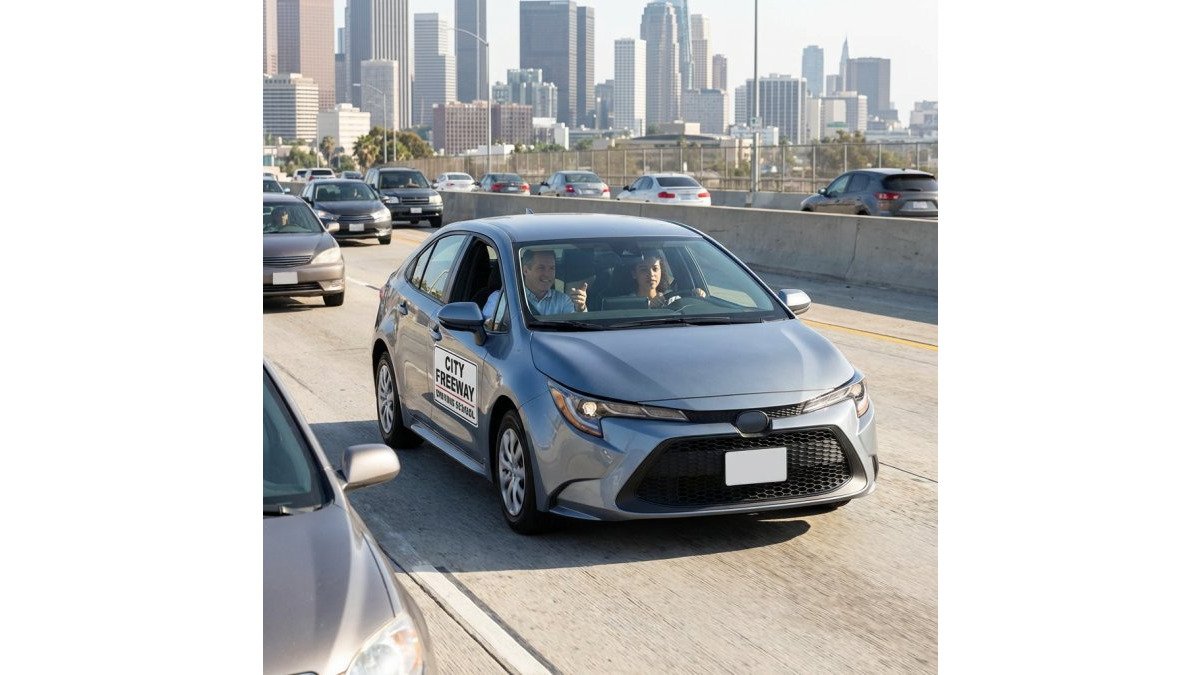
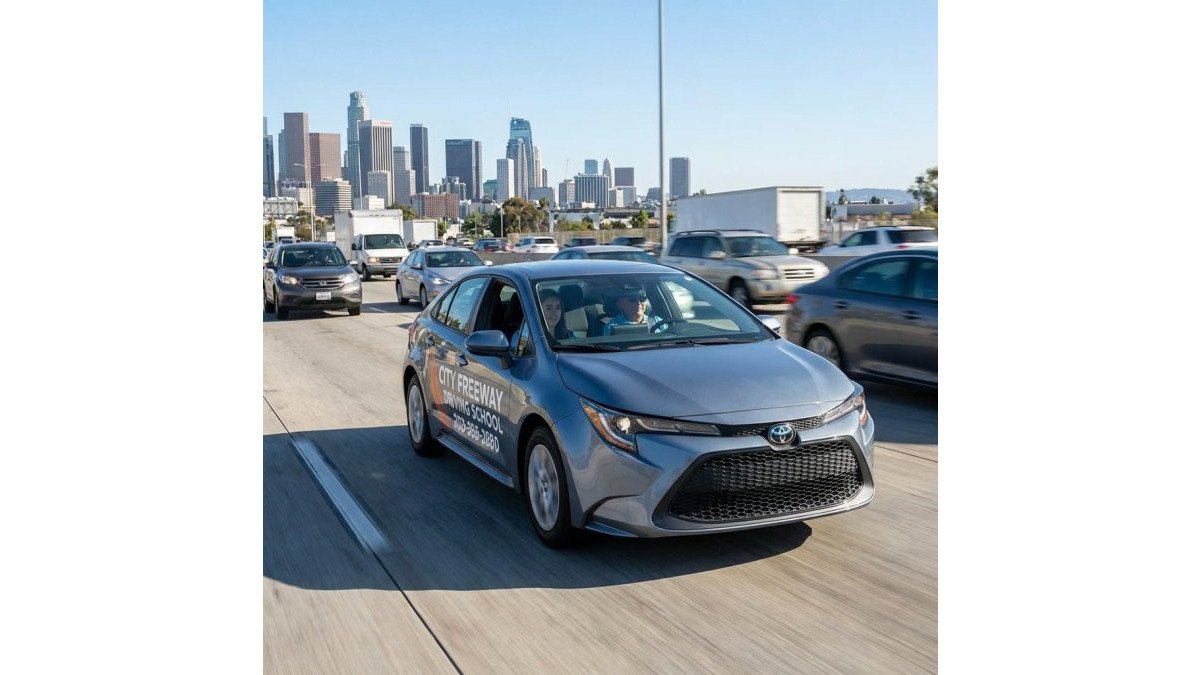
This guide from City Freeway Driving School walks through what actually happens in a lesson, how to manage anxiety behind the wheel, and how to build real confidence step by step.
How to Overcome Fear of Driving on the Freeway
Overcoming freeway fear starts with managing the body before managing the car. Anxiety narrows attention and tightens grip, which makes every lane change feel like an emergency. Calm the physical response first, and the driving decisions get easier.
Breathing and Grounding Techniques Before You Start the Car
A simple routine helps before the engine turns over:
- Box breathing: inhale for four counts, hold four, exhale four, hold four. Repeat five times.
- Feet check: press both feet flat on the floor mat. Feel the pedals under your shoes.
- Hand reset: loosen your grip until your knuckles lose color, then settle at a light hold.
These take two minutes. They work because they give a racing mind a job.
Reframing Panic as a Manageable Signal, Not a Stop Sign
A pounding heart is not a warning that something bad will happen. It's the body preparing for effort, the same response a runner feels at the starting line. The trick is to treat it as information rather than a verdict.
A common mistake is waiting for the fear to disappear before driving. It won't. Confidence comes after practice, not before it.
Step-by-Step: What Happens in Freeway Driving Lessons for Nervous Adults
A good freeway lesson follows a fixed sequence, and no step gets skipped. The instructor starts where the driver actually is, not where a checklist says they should be.
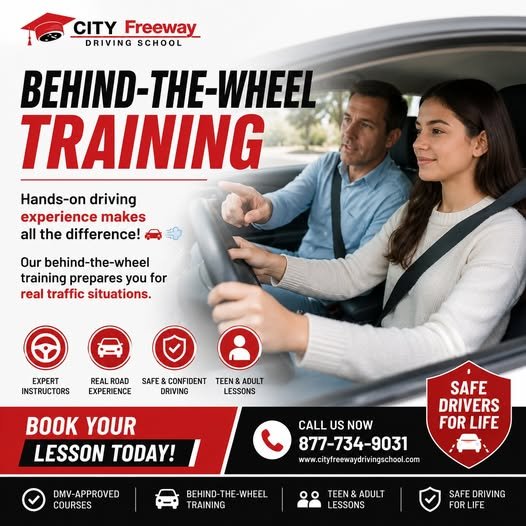
Step 1: The Assessment Drive and Setting Your Baseline
The first drive is a conversation on wheels. The instructor watches how the driver handles speed, spacing, and mirrors on quiet roads before any freeway work begins.
Expect honest feedback, not flattery. That baseline is what makes the next lesson count. A common pattern is that the driver is far more competent than they believe, the gap is usually confidence, not control.
Step 2: Low-Pressure Reps Before Any Freeway
Before touching an on-ramp, the instructor builds the underlying skills on roads that mimic freeway demands without the stakes:
- Multi-lane surface roads: practice holding a steady speed and choosing a lane early.
- Curved on-ramp-style roads: match the arc and speed of a real ramp without merging traffic.
- Controlled-access frontage roads: rehearse mirror rhythm and following distance at 35-45 mph.
This phase is where anxiety-management technique gets practiced, not just discussed. The driver runs the pre-drive routine (breathing, feet check, hand reset) before every rep, so the routine becomes a habit tied to the act of driving.
Step 3: On-Ramp Entry, Merging, and Lane Position
Merging is where most nerves spike. The skill breaks down into small pieces:
- Match speed to traffic before the merge point, not after
- Check the side mirror, then glance over the shoulder
- Pick a gap early and commit to it
Rushing the on-ramp is the classic error. Entering too slow forces everyone behind to brake, which creates the exact chaos the driver fears. The first merges happen on a quiet ramp at an off-peak hour, and the same ramp is repeated until the driver can narrate the gap they chose out loud.
Step 4: Lane Changes, Exits, and Speed Control at Freeway Pace
Once merging feels steady, the lesson moves to lane changes and exits. Speed control matters here. Holding a consistent speed makes every other decision simpler.
Exits get practiced early too. Knowing how to leave the freeway removes the trapped feeling that fuels anxiety. A useful drill is the deliberate missed exit: the instructor has the driver pass an exit on purpose, then take the next one calmly.
Step 5: Busier Interchanges and Real Traffic
Only after the earlier phases feel routine does the lesson move to heavier traffic, interchanges, and higher speeds. The progression is the point: by the time the driver faces a busy merge, they've already done the maneuver dozens of times in easier conditions.
Freeway Merging Practice: The Skill Nervous Drivers Need Most
Merging is the make-or-break moment, so it deserves its own practice block.
A useful drill is the "count and commit" method. The driver counts the gaps in traffic out loud, picks one, and commits without second-guessing. Hesitation at the merge point is what causes trouble.
Practice this on low-traffic ramps first. Speed and traffic volume come later, once the basic move feels automatic.
Freeway Driving Tips for Beginners: Following Distance, Lane Position, and Traffic Awareness
Three habits separate a white-knuckle freeway driver from a relaxed one: spacing, position, and awareness.
- Following distance: keep at least three seconds behind the car ahead. In rain or darkness, stretch it to four.
- Lane position: stay centered, not hugging either line. Drifting invites honks and raises stress.
- Traffic awareness: scan far ahead, not just the bumper in front. Look for brake lights three or four cars up.
These habits lower the number of surprises, and fewer surprises means less fear.
Practice Between Lessons: How to Measure Progress Without a Freeway
Progress doesn't require a freeway. Plenty of useful practice happens on regular roads, and it transfers directly to highway driving. The trick is to make practice measurable, so a nervous driver can see movement instead of relying on how they felt that day.
A Safe Practice Checklist
Before any solo practice session, run this checklist:
- Route planned in advance: know every turn, so navigation doesn't compete with skill practice.
- Off-peak timing: mid-morning or early afternoon on weekdays, when traffic is lightest.
- No time pressure: no appointment to reach, no one waiting.
If any item can't be checked, postpone the session. Practicing anxious is worse than not practicing.
Observable Milestones to Track
Vague reassurance doesn't build confidence, visible evidence does. Track these milestones in a simple log:
- Smooth stop: can you bring the car to a stop without a final lurch?
- Steady speed: can you hold a target speed for a full minute without drifting more than a few mph?
- Mirror rhythm: are you checking mirrors every five to eight seconds without being reminded?
Each milestone is binary, done or not done. That removes the guesswork from "am I getting better?"
Practice Drills That Transfer to the Freeway
- Practice smooth acceleration and braking on empty streets
- Rehearse mirror checks and shoulder glances at every stop
- Drive a local road that mimics an on-ramp curve
The log matters most. Nervous drivers often feel stuck because they forget how far they've come. A written record shows the trend clearly, and it gives the instructor concrete data to build the next lesson around.
How to Choose a Driving Instructor Who Works With Anxious Adults
The instructor makes or breaks the experience.
What to look for:
- Experience with adult learners, not just teens
- A calm, supportive manner during mistakes
- A clear lesson plan shared before the first drive
It also helps to ask about the first lesson. A good school explains exactly what will happen, so there are no surprises.
City Freeway Driving School offers freeway driving lessons built for nervous adults, with certified instructors who start at the driver's current skill level. The school serves Irvine, Orange, Santa Ana, Tustin, Costa Mesa, Anaheim, and many more cities across Orange County, CA.
Affordable pricing is a big part of the draw here.
| Service | What It Covers | Starting Price |
|---|---|---|
| Driver Ed Online | 30-hour DMV-approved course | $30.00 |
| Drivers Training | 6 hours behind the wheel | $440.00 |
| Driver Ed + Training Package | Online course plus 6 hours driving | $450.00 |
| Driving Test Service | Vehicle and test-day support | $230.00 |
For drivers who want to compare, the California DMV driver education requirements spell out what's needed before a permit and license.
Conclusion: Your First Freeway Lesson Starts With One Phone Call
Fear of the freeway keeps too many capable adults off the road. The fix isn't more time or more willpower. It's structured practice with an instructor who understands anxiety and knows how to work through it.
Driving Lessons in Orange County for Teens and Adults. We are City Freeway Driving School in Tustin, Serving most cities in Orange County, CA.
Frequently Asked Questions
How many lessons does it take to feel comfortable driving on the freeway?
Most nervous adults need two to four focused freeway sessions before they feel steady at highway speed. The first lesson usually covers assessment and on-ramp entry. The second adds merging and lane changes. By the third or fourth, many students handle exits and longer stretches with less anxiety. Progress depends on how much you practice between lessons and whether you start from the current skill level rather than rushing ahead.
How should a nervous adult prepare for a first freeway driving lesson?
Eat something light, skip caffeine, and bring your permit or license plus any glasses you need for driving. Tell your instructor exactly what scares you, whether that is merging, lane changes, or driving next to trucks. Wear comfortable shoes and plan the lesson for a time when you are not already stressed. A patient instructor will start on quieter roads and build up to freeway entry only when you are ready.
What freeway skills should nervous drivers practice first?
Start with speed control and following distance on a quiet road, then move to on-ramp acceleration and merging. Lane position and checking mirrors come next, followed by lane changes and off-ramp exits. Freeway merging practice works best when you repeat the same on-ramp several times in one session. Once entry feels routine, the rest of freeway driving becomes far less intimidating.
Do driving instructors actually help with freeway driving anxiety?
Yes. A certified instructor sits beside you, watches traffic, and talks you through each maneuver in real time, which removes the feeling of being alone at 65 mph. Instructors who work with nervous drivers use calm, supportive instruction, break skills into small steps, and never push faster than you can handle. That structure is what turns freeway driving from a source of panic into a routine skill.
The freeway doesn't have to stay off-limits. With patient, one-on-one instruction and a plan built around the driver's current skill level, nervous adults can build real confidence behind the wheel. City Freeway Driving School offers DMV-compliant training, flexible seven-day scheduling, and affordable rates across Irvine, Orange, Santa Ana, Tustin, Costa Mesa, Anaheim, and the rest of Orange County. Get started with City Freeway Driving School and turn freeway fear into freeway skill.