 how-to
Why Choose Professional Driving Instruction: A 2026 Guide
Table of Contents
- Why Professional Driving Instruction Beats Learning From a Friend
- The Benefits of Professional Driving Lessons for Teens and Adults
- How to Choose a Driving Instructor Who Fits Your Needs
- Personalized Driving Lessons: Tailored Coaching for Nervous and Rusty Drivers
- How Many Driving Lessons Do I Need to Pass the Road Test?
- What to Expect During and After a Professional Driving Lesson
- Affordable Driving Instruction in Orange County: Cities We Serve
- Frequently Asked Questions
Last Updated: October 18, 2026
Why Professional Driving Instruction Beats Learning From a Friend
Professional driving instruction is structured, insured, and taught by a certified instructor who knows exactly what the road test requires. That matters more than most people think. A parent or friend can teach the basics, but they carry years of their own habits, good and bad, into every lesson.
Here's the uncomfortable truth: California's road rules shift over time, and the person teaching you may not have opened the handbook since they got their own license. A certified instructor teaches current traffic laws, not muscle memory.
The stakes are real. California drivers face fines, points on their record, and insurance hikes after a citation, and a new driver is more exposed than anyone. California DMV driver licensing information lays out the requirements every new driver must clear before testing.
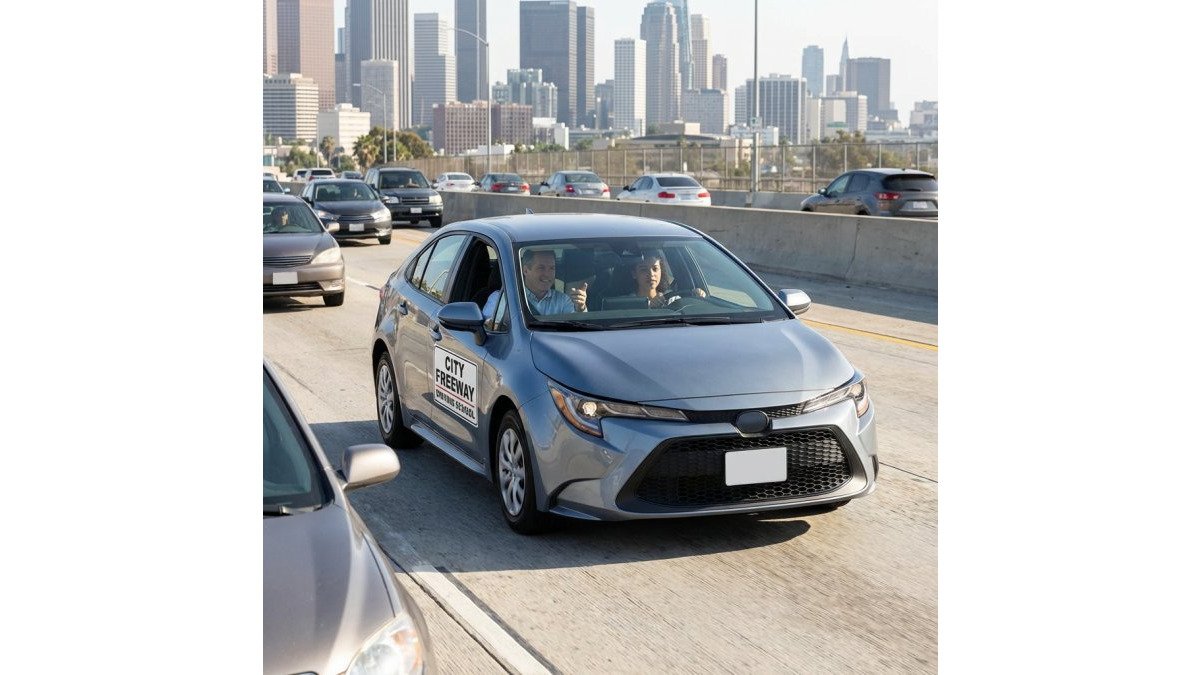
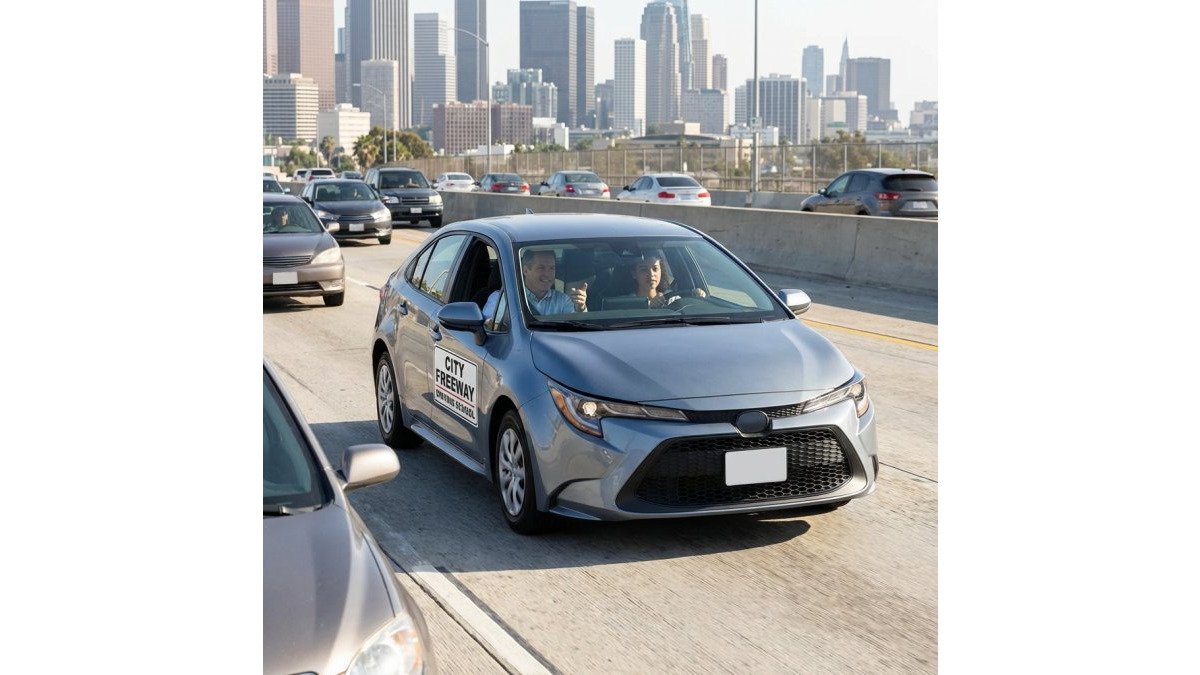
At City Freeway Driving School, lessons follow a plan. Each session builds on the last, and the instructor gives feedback in the moment, not a week later. That structure is why professional driving instruction works for teens and adults alike.
The Benefits of Professional Driving Lessons for Teens and Adults
The biggest benefit of professional driving lessons is confidence built on real skill, not guesswork. That holds whether the student is sixteen or forty-six.
- Defensive driving habits from day one, not after a near miss
- Hazard awareness practiced on real roads with a calm coach beside you
- Immediate feedback on every turn, lane change, and stop
- Structured learning that follows a clear, step-by-step path
- Test preparation built around what the road test actually measures
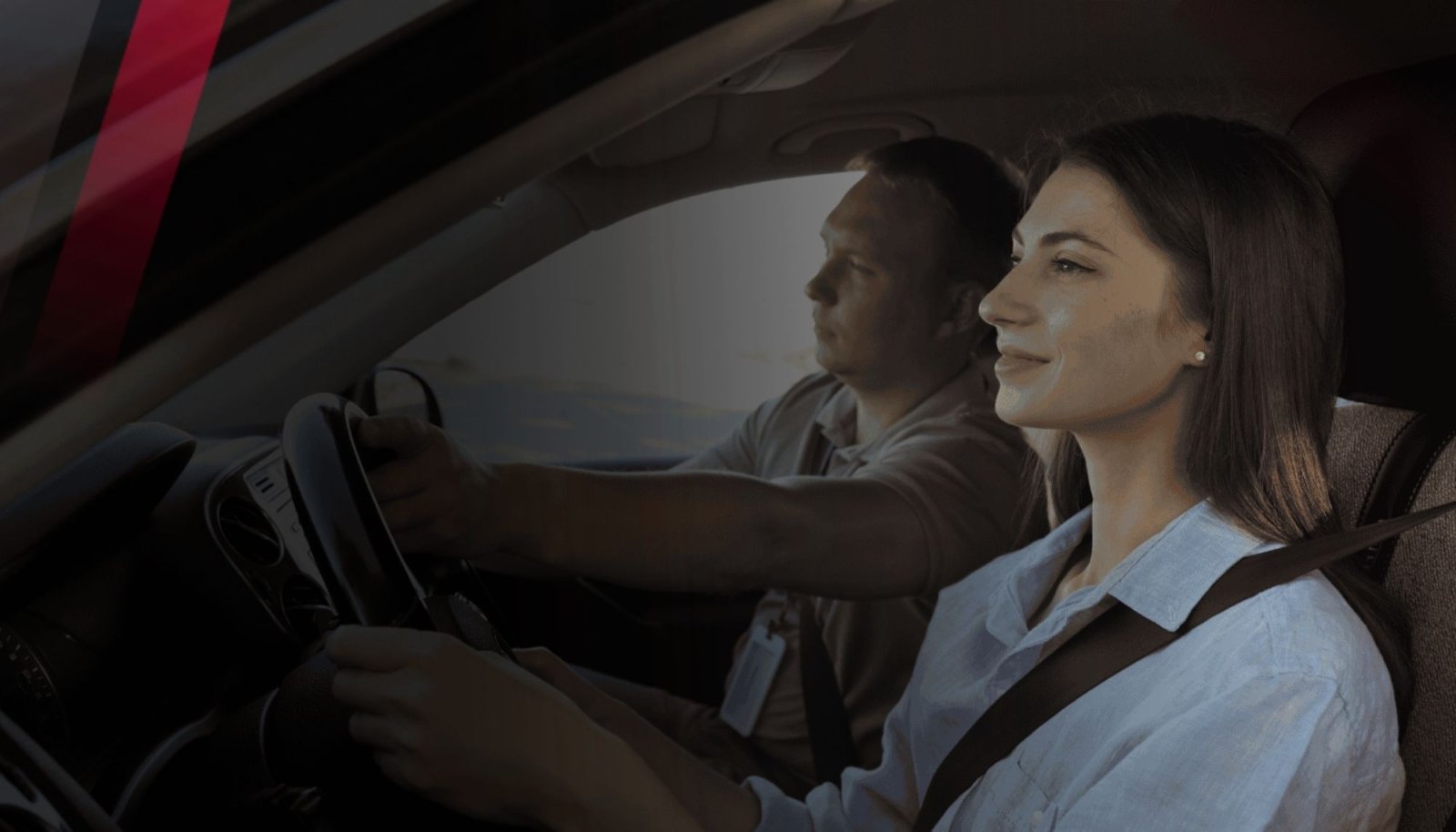
Nervous drivers benefit most. A patient instructor can slow the pace down and repeat a maneuver until it feels routine. Driving school gives that room to breathe.
Adults returning to driving after years away get something different: a refresher on current driving laws and a chance to rebuild freeway confidence without an audience.
How to Choose a Driving Instructor Who Fits Your Needs
Choosing a driving instructor comes down to five checks, and none of them take long.
- Certification. Confirm the instructor is licensed and the school meets DMV requirements. Ask for the license number and verify it with the state licensing board. A legitimate school will share it without hesitation.
- Insurance. Ask directly. A professional school carries coverage; a friend's car may not. Request the certificate of insurance and confirm it covers student drivers.
- Teaching style. Patient and clear beats loud and critical every time. Ask how the instructor handles mistakes, a good answer describes correction without shame, and a calm debrief after each drive.
- Schedule fit. Evening and weekend slots matter for students with school or work. Confirm the school offers lessons seven days a week and can book you within the same week you enroll.
- Local knowledge. An instructor who knows the area's DMV offices and test routes prepares you better. Ask which offices they regularly test at and how they structure mock tests.
A common mistake is picking the cheapest lesson online without asking what it includes. A low hourly rate means little if the instructor spends half the session on their phone. Compare the total cost of a package against the number of behind-the-wheel hours and what each hour covers.
Read reviews, then ask one question on the phone: "How do you handle a nervous driver?" The answer separates real teachers from people renting out their car. A strong answer describes a specific approach, quiet side streets first, repeated maneuvers, a slower pace, rather than a generic promise.
Personalized Driving Lessons: Tailored Coaching for Nervous and Rusty Drivers
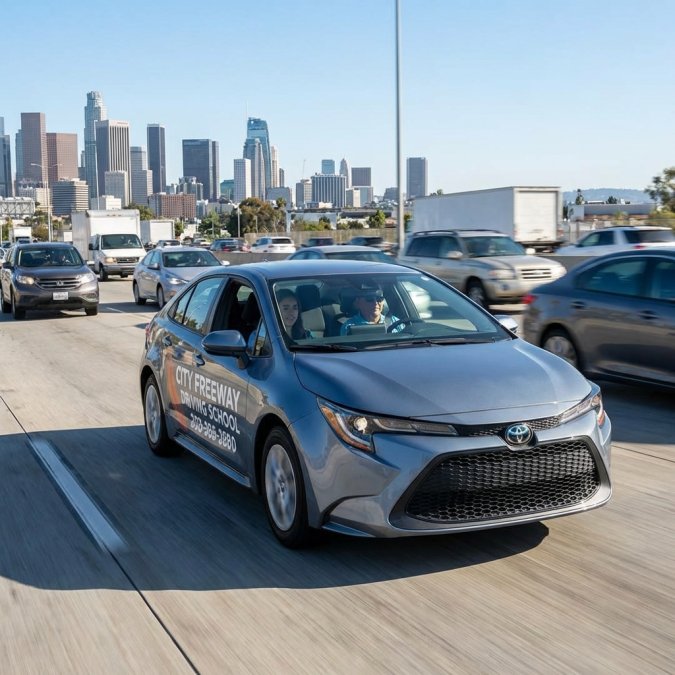
Personalized driving lessons start where the student actually is, not where a group class assumes they are. A first-time teen and a rusty adult need different plans.
For nervous drivers, that means quiet side streets before busy roads. It means practicing a left turn ten times if that's what it takes. Instructors who rush this step create drivers who pass the test and then avoid the freeway for years.
Rusty drivers get a different track: a quick skills check, then focused work on freeway merging, lane changes, and situational awareness at speed.
One-on-one attention makes the difference. Group classes can't slow down for one student or speed up for another. Private lessons can.
How Many Driving Lessons Do I Need to Pass the Road Test?
There's no fixed number, but most new drivers need a set of lessons that covers the full skill range before testing. The honest answer depends on three things: prior practice, comfort level, and how often lessons happen.
A practical plan looks like this:
| Stage | Focus | Typical Sessions | What Mastery Looks Like |
|---|---|---|---|
| Start | Vehicle control, mirrors, lane position | 1-2 | Smooth starts and stops, correct mirror setup, steady lane position without prompting |
| Build | Turns, stops, parking, residential roads | 2-3 | Consistent turn signals, full stops, parallel and perpendicular parking without coaching |
| Advance | Freeway merging, lane changes, hazard awareness | 2-3 | Merges at matching speed, checks blind spots, scans ahead for hazards |
| Test prep | Mock road test, weak-spot review | 1-2 | Completes a full mock test with no critical errors and knows the test route |
Students who practice between lessons need fewer sessions. Students who only drive during lessons need more. Ask the instructor for a realistic estimate after the first session, when they've seen you drive.
Lesson frequency matters as much as lesson count. Two lessons a week with practice in between builds skill faster than one lesson a week with no practice, because driving is a motor skill that consolidates between sessions. A common pattern is that students who drive at least two or three times between lessons shave one or two sessions off the total.
Between-lesson practice doesn't have to be complex. A parent or friend can supervise simple drives: residential streets, parking lot maneuvers, and quiet intersections. Save freeway work and busy traffic for the instructor until the basics are solid.
What to Expect During and After a Professional Driving Lesson
Every lesson should follow a rhythm: a quick review, a clear goal for the day, driving time, and a short debrief at the end.
During the lesson, expect the instructor to give directions early and correct mistakes calmly. Good instructors narrate what they're watching for, which builds situational awareness fast.
After the lesson, ask three questions:
- What improved today?
- What needs work before the next session?
- What should be practiced between lessons?
That feedback loop is where skill development actually happens. Without it, lessons become expensive joyrides.
Affordable Driving Instruction in Orange County: Cities We Serve
Affordable driving instruction shouldn't mean cutting corners on safety or instructor quality. It means clear pricing and lessons that earn their cost.
City Freeway Driving School keeps prices among the most affordable in the area and serves Irvine, Orange, Santa Ana, Tustin, Costa Mesa, Anaheim, and many more cities across Orange County, CA. Scheduling runs seven days a week, including evenings and weekends, so lessons fit around school and work.
Driving Lessons in Orange County for Teens and Adults. We are City Freeway Driving School in Tustin, Serving most cities in Orange County, CA. We offer Driver Ed online for $30.00, Drivers Training 6 hours from $440.00 and the package of Driver Ed online and 6 hours of behind the wheel training from $450.00. Driving Test Service $230.00. Usually we have appointments available, the same week you enroll in our courses. Any questions about our services, please call our office number 714-734-9030 or visit our website https://cityfreewaydrivingschool.com/
California DMV new driver checklist is worth reading before the first lesson, so nothing about the process feels like a surprise.
Frequently Asked Questions
How do I choose a driving instructor?
Look for a certified instructor with a clear lesson plan, patient teaching style, and familiarity with local DMV test routes. Ask about their vehicle, insurance, and whether they offer structured feedback after each session. Read reviews from other students, especially those in your situation, such as nervous adults or first-time teens. A good instructor explains maneuvers step by step, stays calm when you make mistakes, and adjusts the pace to your comfort level. City Freeway Driving School's instructors are certified and DMV-compliant, and they serve learners across Orange County.
What are the benefits of professional driving lessons?
Professional driving lessons build safe habits from the start, reduce the risk of costly mistakes, and prepare you for the road test with structured practice. You get immediate feedback on vehicle control, hazard awareness, and decision-making in real traffic. Instructors also teach California-specific traffic laws and defensive driving techniques that friends or family may overlook. For teens, professional instruction satisfies DMV requirements and helps parents feel confident. For adults, it refreshes skills and rebuilds confidence, especially for freeway driving or after a lapsed license.
How many driving lessons do I need?
The number depends on your experience and comfort level. Complete beginners often need 6 to 10 lessons to cover vehicle control, road rules, and test routes. Adults with some experience may need fewer, while nervous drivers may benefit from extra sessions. A good school assesses your skills in the first lesson and outlines a plan. City Freeway Driving School offers 6, 10, and 16-hour behind-the-wheel packages, and instructors adjust the pace to help you become test-ready. Ask about a lesson-by-lesson plan so you know what to expect.
How much do driving lessons cost in Orange County?
Pricing varies by school, package, and lesson length. City Freeway Driving School offers affordable rates, with Driver Ed online for $30.00, Drivers Training 6 hours from $440.00, and a package of Driver Ed online plus 6 hours of behind-the-wheel training from $450.00. Driving Test Service is $230.00. These prices are transparent and competitive for the area. Call 714-734-9030 or visit the website for current pricing and availability. Flexible scheduling is available 7 days a week, including evenings and weekends.
Learning to drive is one of the few skills where a bad teacher can cost you far more than a good one. City Freeway Driving School offers DMV-compliant driver education and behind-the-wheel training built around each student's pace, with certified instructors, flexible seven-day scheduling, and pricing that stays affordable across Orange County. Call 714-734-9030 or visit the website to book a lesson this week and start building real confidence behind the wheel.